Standing beneath New Zealand’s highest peak feels different from anywhere else in the country. Aoraki / Mount Cook isn’t about shops, cafés, or entertainment — it’s about scale, silence, and raw alpine beauty.
Whether you’re here for a short stop or an overnight stay, this is one of those places where the landscape does most of the talking.
This guide covers:
-
What makes Mount Cook special
-
The best short walks (including the famous Hooker Valley Track)
-
Birdlife and the rare Kākī (Black Stilt)
-
When to visit and what to expect
-
How to reach Mount Cook easily with flexible transport like Ryd

Where Is Mount Cook & Why the Setting Matters
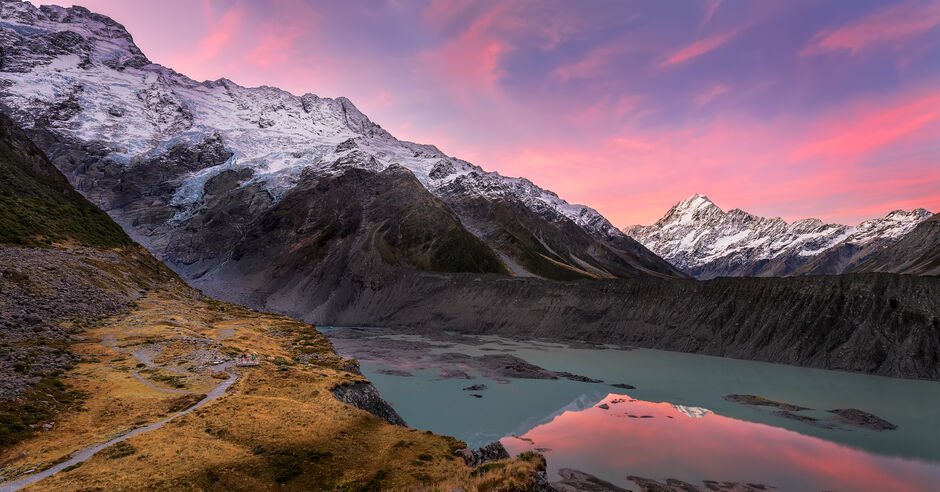
Mount Cook sits inside Aoraki / Mount Cook National Park, surrounded by glaciers, alpine rivers, and wide open valleys.
Most travellers arrive via:
-
Wānaka
-
Lake Tekapo
If you’re planning your route, starting from Queenstown or passing through Wānaka gives you the most flexibility to explore at your own pace.
The drive itself is part of the experience — especially alongside the turquoise waters of Lake Pukaki, with Mount Cook rising dramatically at the road’s end.
The Must-Do Walk: Hooker Valley Track
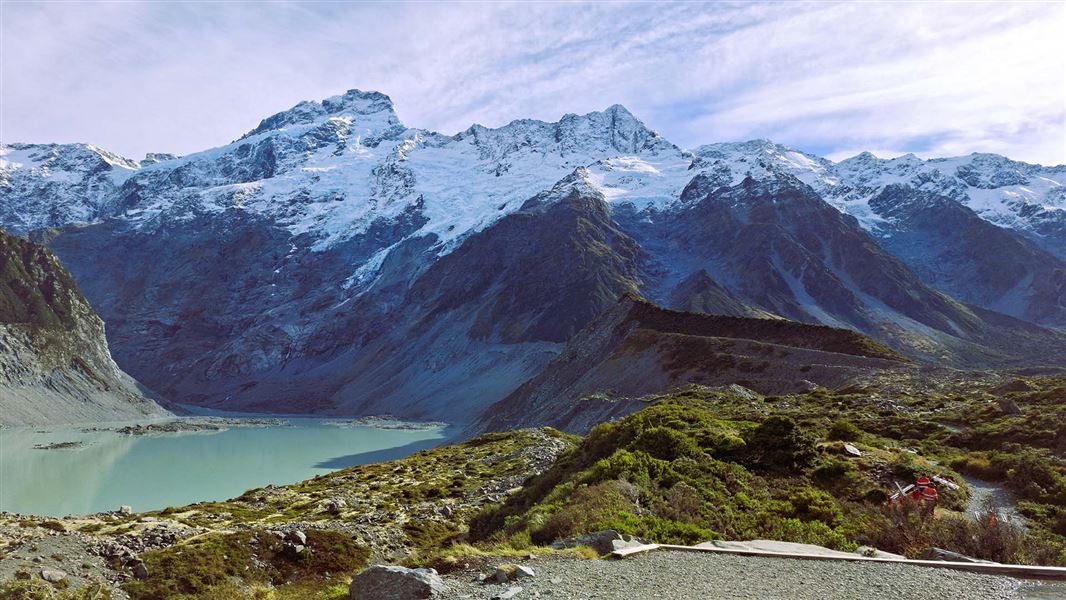

Hooker Valley Track
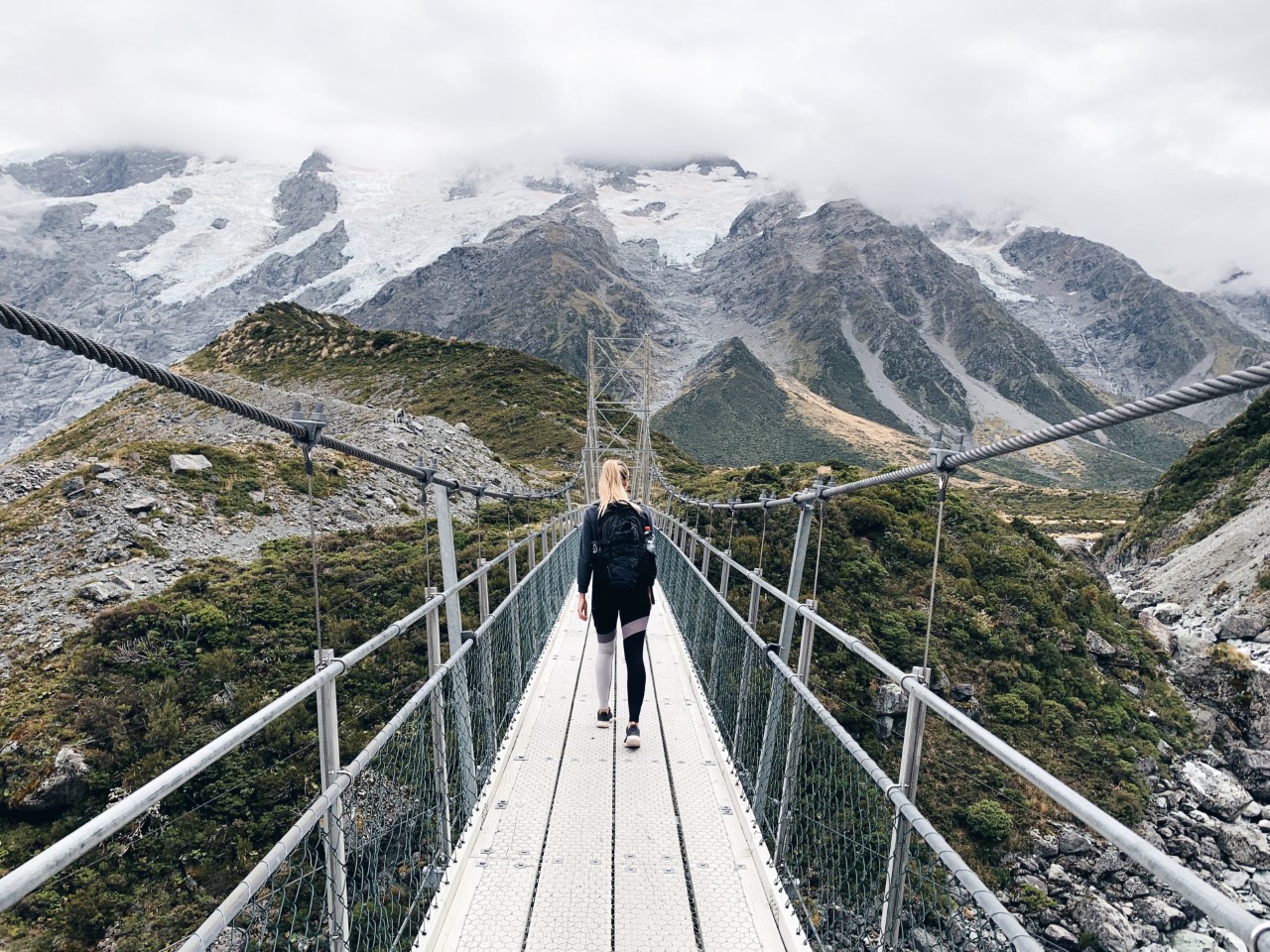
This is one of New Zealand’s most popular walks — and for good reason.
-
~3 hours return
-
Flat, well-maintained track
-
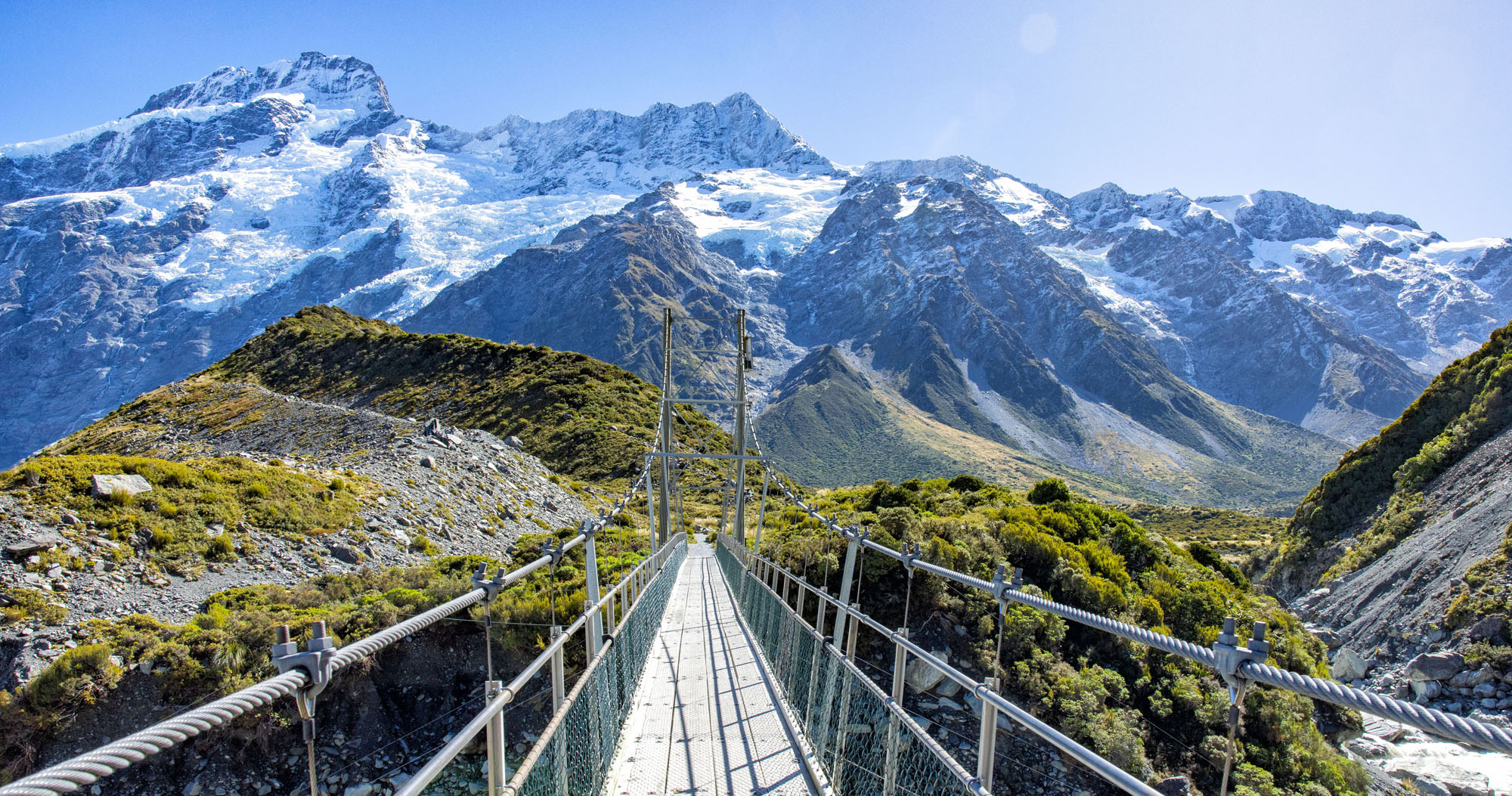
Swing bridges over glacial rivers
-
Views of Mount Cook, glaciers, and Hooker Lake
It’s accessible for most fitness levels and delivers a huge payoff without technical hiking experience.
Tip: Go early morning or late afternoon for fewer crowds and softer light.
Alpine Landscapes That Change by the Hour
Mount Cook’s weather moves fast. Clouds roll in, peaks disappear, then suddenly clear again.
That’s part of the magic:
-
Snow-capped peaks even in summer
-
Ice-blue glacier lakes
-
Waterfalls after rain
-
Deep silence broken only by wind and birds
Bring layers, even on sunny days.
Birding & Wildlife: Spotting the Rare Kākī (Black Stilt)

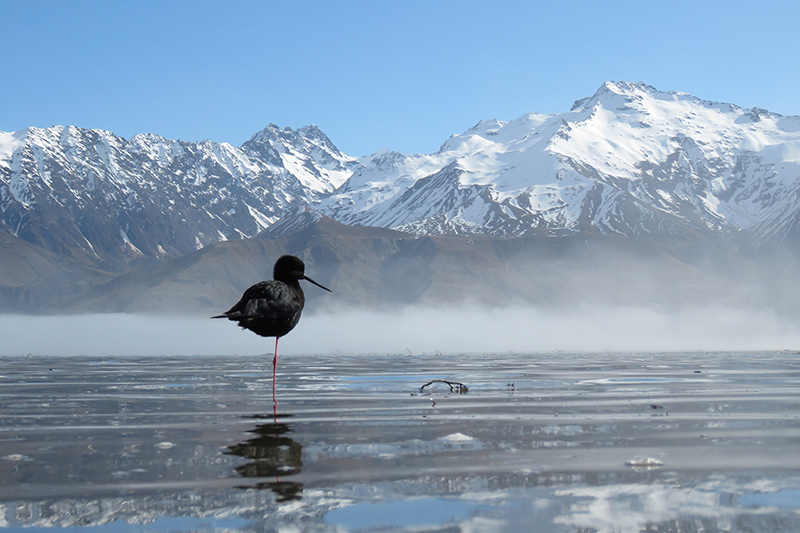

Mount Cook National Park is also one of the best places to encounter rare alpine birdlife.
Kākī (Black Stilt)
The Kākī is one of the world’s rarest wading birds, found only in parts of the Mackenzie Basin near Mount Cook.
You’re most likely to see them:
-
Near braided rivers
-
Wetland areas
-
Early morning or late afternoon
Even if you don’t spot one, the park is rich with native bird sounds and alpine species — perfect for slow, observant walks.
When Is the Best Time to Visit Mount Cook?
-
Morning: Clearer skies, fewer people
-
Spring & Summer: Best for walking and views
-
Autumn: Fewer crowds, crisp air, dramatic colours
-
Winter: Snowy landscapes, limited walking, stunning scenery
There’s no “bad” season — just different moods.
Getting to Mount Cook: Why Flexible Transport Matters
Mount Cook is remote — and that’s exactly why it’s special. There’s no town to explore here, so how you get there shapes the entire experience.
Most travellers pass through places like Wānaka or Lake Tekapo on the way — and having flexibility between these stops makes a big difference.
If you’re starting in Queenstown or heading through Wānaka, the journey north becomes part of the experience — especially as Lake Pukaki comes into view.
Coming from the other direction, Lake Tekapo offers one of the most scenic approaches in the country, with wide open landscapes leading directly toward Aoraki.
Why Self-Drive Works Best
This is one of those destinations where having your own vehicle changes everything:
-
Freedom to stop along Lake Pukaki
-
No rushing for tour bus schedules
-
Flexibility if weather changes
-
Easy access to trailheads
This is especially true for the final stretch into Mount Cook, where unplanned stops often become the most memorable part of the day.
Visiting Mount Cook with Ryd
This is where Ryd fits naturally, especially for travellers already moving between Queenstown, Wānaka or Tekapo.
Why travellers use Ryd for Mount Cook:
-
Pick up a car only when you need it
-
No long-term rental commitment
-
Ideal for scenic, point-to-point trips
EV Travel & Charging
-
Charging available in Tekapo, Twizel, and Wānaka
-
Distances are manageable with simple planning
-
Perfect for travellers wanting a quieter, low-impact journey
Ryd’s guidance helps make EV travel to remote destinations feel straightforward — even for first-timers.
A Simple Mount Cook Day Plan
Morning
-
Drive alongside Lake Pukaki
-
Arrive early to beat crowds
Midday
-
Walk the Hooker Valley Track
-
Picnic with mountain views
Afternoon
-
Short walks or wildlife spotting
-
Photography and scenic stops
Evening
-
Return before dark or stay nearby for stargazing
Final Thoughts: Mount Cook Is About Perspective
Mount Cook isn’t somewhere you rush through. It’s a place that slows you down, reminds you how small you are, and leaves space for quiet moments.
Whether you’re walking to a glacier lake, watching clouds lift from Aoraki’s summit, or hoping to spot a rare Kākī along the river, this is New Zealand at its most raw and unforgettable.
With flexible transport like Ryd, the journey becomes part of the experience — whether you’re starting in Queenstown, looping through Wānaka, or making your way up from Tekapo - giving you time, freedom, and space to let Mount Cook leave its mark.